The Ocean Plastic Crisis: Why What You Put in Your Kitchen Ends Up in the Sea
Every piece of plastic ever made still exists somewhere on earth. Here is how household plastic travels from your bin to the ocean — and what the consequences are for marine ecosystems.
A Material That Outlives Everything
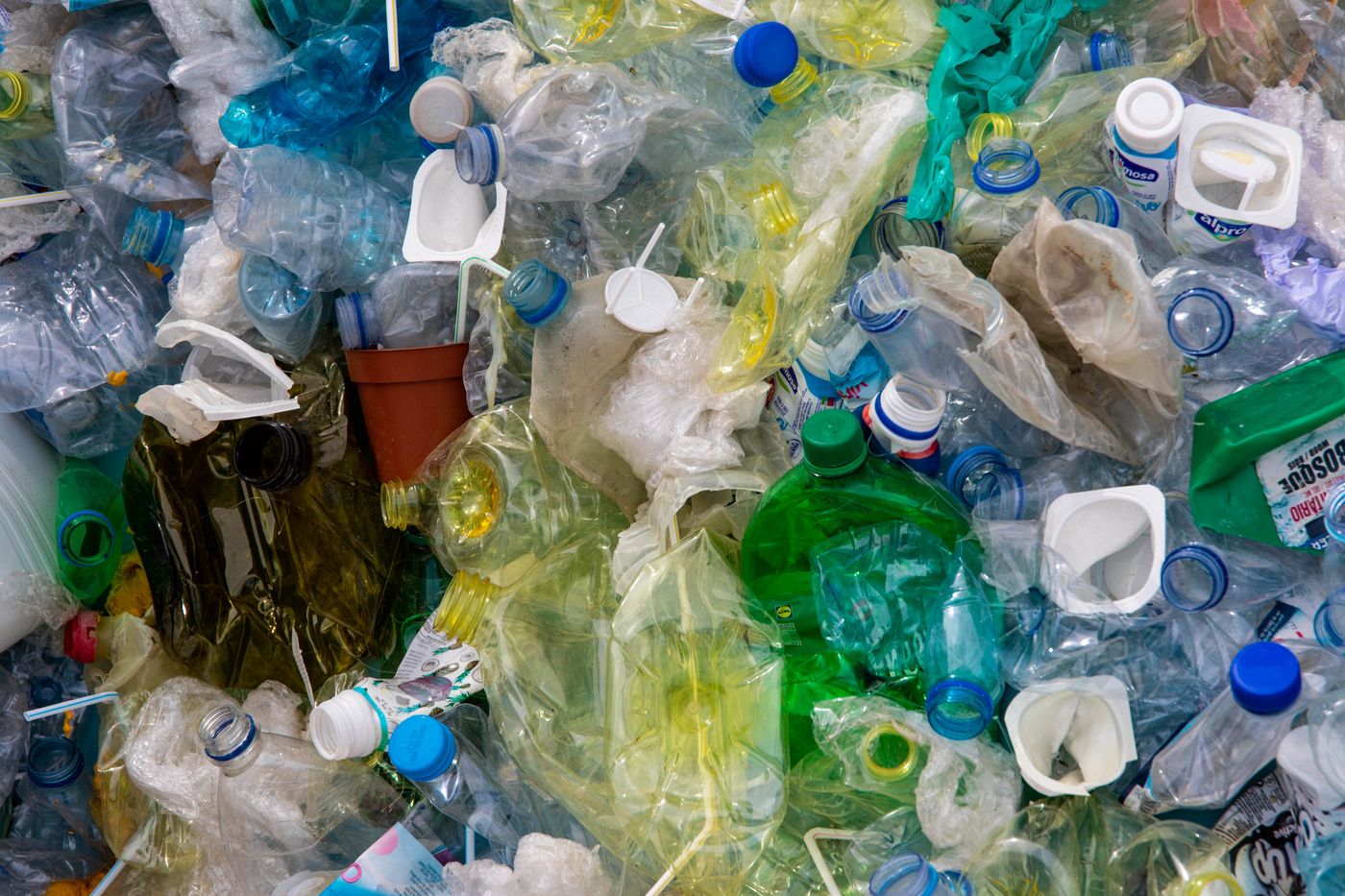
Plastic was invented to last forever. That was the point. But the designers of the mid-20th century never considered what would happen when their durable, versatile new material was used for objects with a useful life of seconds — a straw, a bag, a food wrapper.
Today, we produce over 400 million tonnes of plastic every year. Roughly half of it is single-use. And despite ambitious recycling targets, only about 9% of all plastic ever produced has been recycled. The rest has been incinerated, landfilled, or released into the environment.
How Household Plastic Reaches the Ocean
The journey from your kitchen bin to the Pacific Ocean is shorter than you might think.
Landfills overflow. Plastic is light and mobile. Wind carries it from bins and landfill sites into rivers and streams. Rivers carry it to the sea. Once in the ocean, plastic doesn't disappear — it breaks down into smaller and smaller particles under the action of UV light and wave action, but it never truly disappears. It becomes microplastics, then nanoplastics, persisting in the water column for hundreds of years.
The Great Pacific Garbage Patch — the most famous concentration of marine plastic — now covers an estimated 1.6 million square kilometers, three times the size of France. But it is only one of five major oceanic garbage patches. And the floating plastic is only a small fraction of the total: the majority sinks to the seabed.
The Consequences for Marine Life
Entanglement and Ingestion
Larger plastic items — bags, bottles, fishing nets — entangle and kill marine animals including sea turtles, dolphins, whales, seabirds, and fish. An estimated one million seabirds and 100,000 marine mammals die from plastic pollution every year.
Fish mistake plastic fragments for prey. A 2021 study found microplastics in the guts of fish in every ocean on earth, including the deepest ocean trenches. When we eat those fish, we ingest the plastic they have accumulated.
Coral Reef Degradation
Microplastics settle on coral reefs, blocking light and introducing bacteria that trigger disease. Studies have found that reefs exposed to plastic show significantly higher rates of disease and lower rates of survival.
Chemical Contamination
Plastic acts as a sponge for persistent organic pollutants already present in the ocean — pesticides, PCBs, heavy metals. When fish ingest these plastic-pollutant packages, the chemicals bioaccumulate up the food chain, reaching their highest concentrations in top predators, including humans.
What the Science Projects
Without significant intervention, the amount of plastic entering the ocean is projected to triple by 2040. By 2050, there could be more plastic in the ocean by weight than fish.
The Role of Household Choices
Significant cuts in ocean plastic require policy-level change — extended producer responsibility, bans on single-use plastics, and redesigned waste systems. But household choices matter too, both directly and indirectly.
Every item of single-use plastic you do not buy is one that cannot enter the waste stream. Switching to plastic-free cleaning products, glass food storage, and natural fiber clothing reduces the volume of plastic your household produces — and sends a market signal to brands that alternatives are in demand.
The ocean plastic crisis is solvable. But it requires treating plastic as what it actually is: a permanent pollutant, not a disposable convenience.